Who it suits
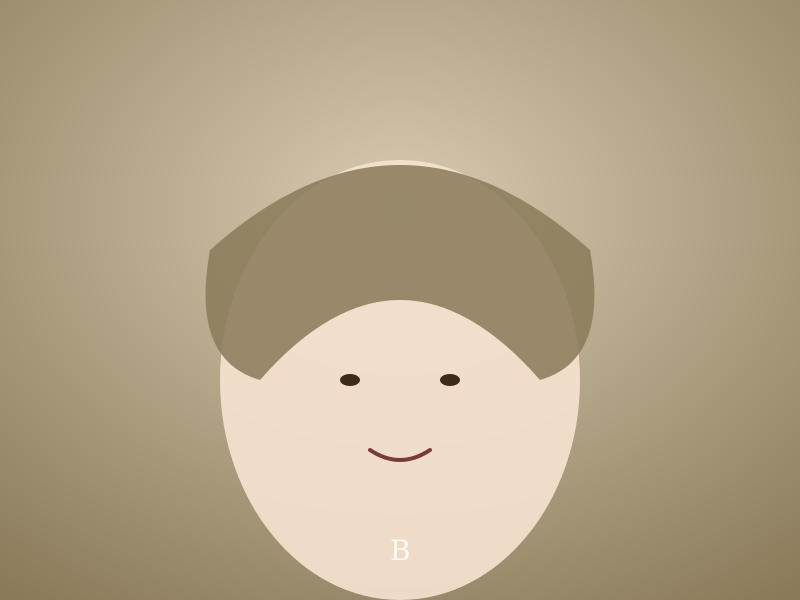
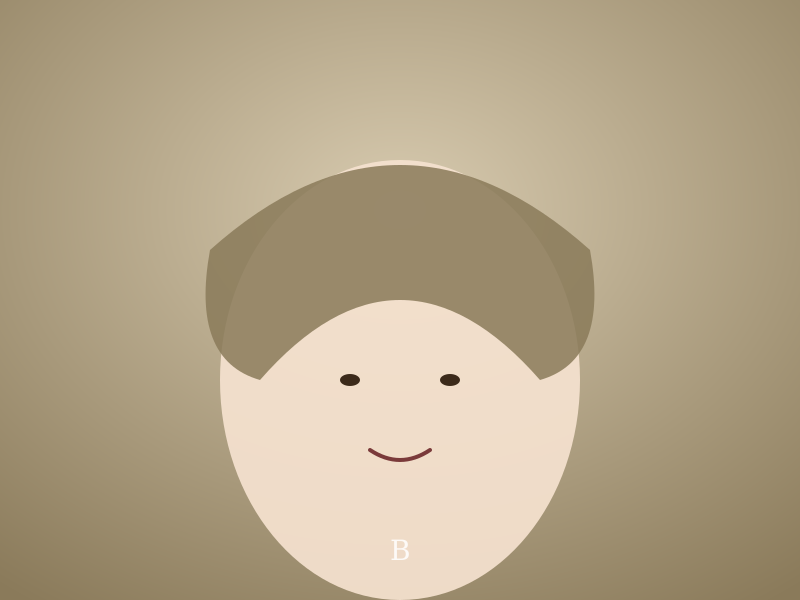
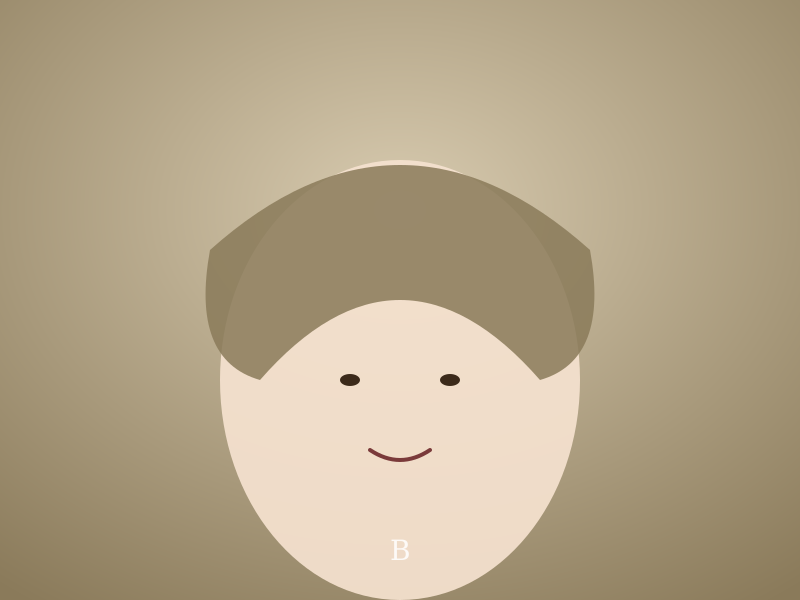
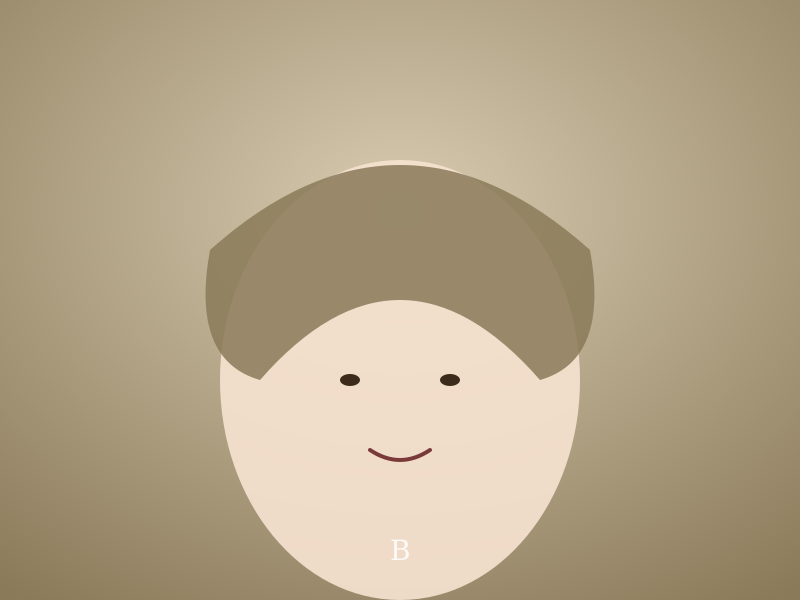
Editorial, confident dressers. The bowl makes a statement; there is no version of this cut that hides. It is most flattering on oval and heart-shaped faces with strong cheekbones, and looks especially striking on hair with a deliberate gray, silver, or platinum tone. The cut requires hair that lays flat from the crown forward — cowlicks, double crowns, and unruly growth patterns will fight the silhouette.
How to ask for it
Bring photos of editorial bowl cuts (not 1990s photos). Specify the length — eyebrow, mid-cheek, or jaw — and whether you want the perimeter blunt or softened. Most modern bowl cuts include a small undercut at the nape, hidden by the top hair, which removes weight without changing the silhouette.
What to expect at the salon
60 to 75 minutes. The bowl is one of the more technical cuts to do well, so seek out a stylist with editorial work in their portfolio. $90 to $200 in most US markets — pricing skews higher because of the precision required.
Maintenance and the grow-out
Trims every 4 to 5 weeks. The bowl is sharp by design and any growth blurs that line quickly. Growing it out is challenging because the silhouette is so distinctive — most stylists transition the cut into a longer asymmetrical bob over three to four months.
Styling at home
A leave-in cream on damp hair, a paddle-brush blow-dry from roots to ends, and a drop of oil on the perimeter. The cleaner the finish, the more the silhouette reads as deliberate.
Celebrity inspiration
Mia Farrow's iconic crop has been reinterpreted by Tilda Swinton and Linda Evangelista in their 50s and beyond.
Documented Bowl Cuts in our library
Each link below is a full styling write-up — color, hair type, face shape, maintenance and a try-it tip.