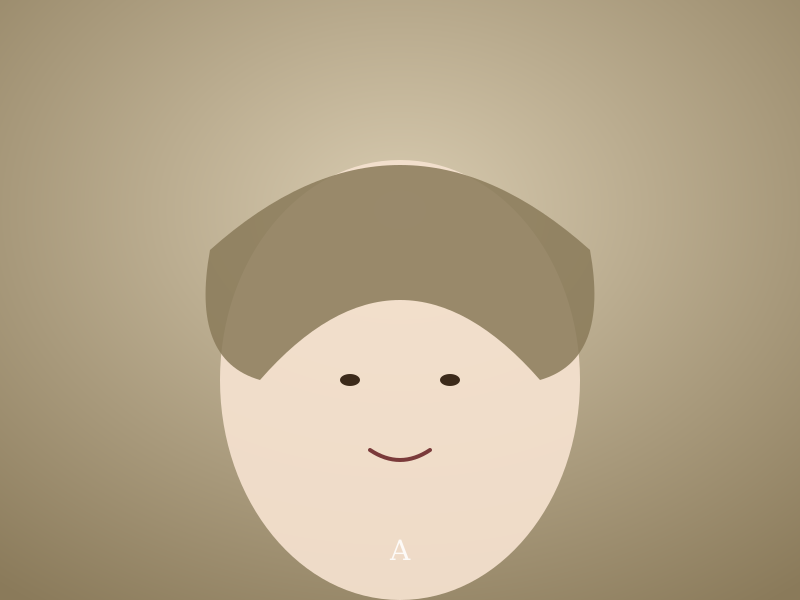
Who it suits
Women who want a quiet edge. The asymmetrical cut works beautifully on oval, heart, and diamond face shapes; on round or square faces it can read off-balance unless the disparity is moderate. It pairs especially well with a sharp gray or silver tone, which highlights the architecture of the cut.
How to ask for it
Decide whether the disparity is dramatic (one side at the chin, the other at the ear) or subtle (a 5cm difference). Bring a photo. Specify which side will be the shorter side — usually the side opposite your dominant cowlick, so the shorter side stays neat.
What to expect at the salon
45 to 60 minutes. Asymmetric cuts require precision and a stylist who can cut both sides separately while keeping them visually connected. $80 to $160 in most US markets.
Maintenance and the grow-out
Trims every 4 to 5 weeks so the side disparity stays sharp. Growing the cut out is straightforward — most stylists transition it into a balanced bob over six to eight weeks.
Styling at home
Style the longer side first so you can see what you're working with. A flat-iron pass with a slight bend at the ends, then tuck the shorter side behind the ear with a drop of pomade. The contrast is the entire point.
Celebrity inspiration
Victoria Beckham's earlier asymmetric bobs are the modern reference; Kate Moss has worn shorter versions.
Documented Asymmetrical Cuts in our library
Each link below is a full styling write-up — color, hair type, face shape, maintenance and a try-it tip.
Tousled Silver Asymmetrical
Wispy Silver Asymmetrical
Sleek Silver Asymmetrical
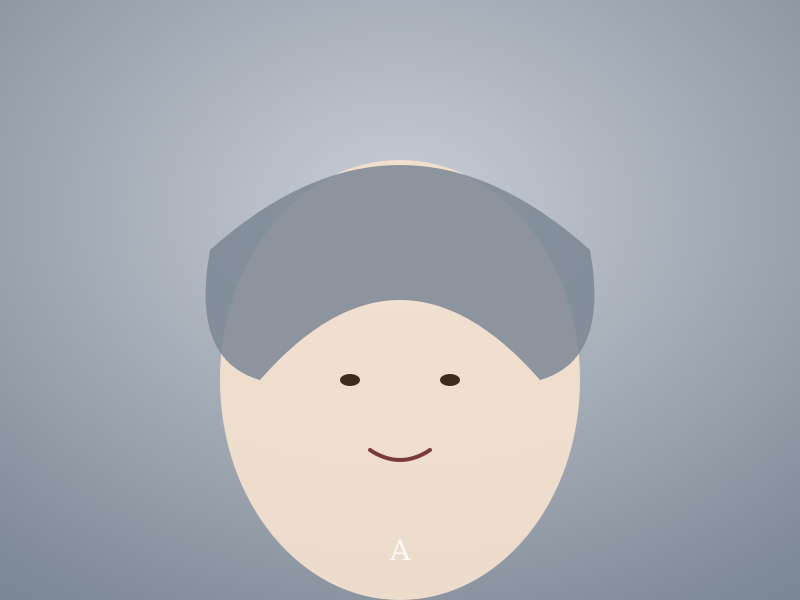
Layered Silver Asymmetrical
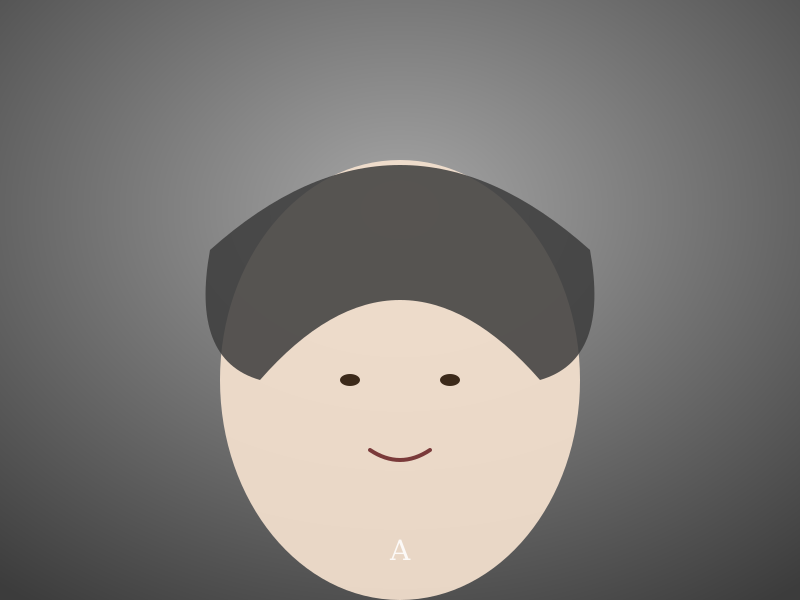
Tousled Salt-and-Pepper Asymmetrical
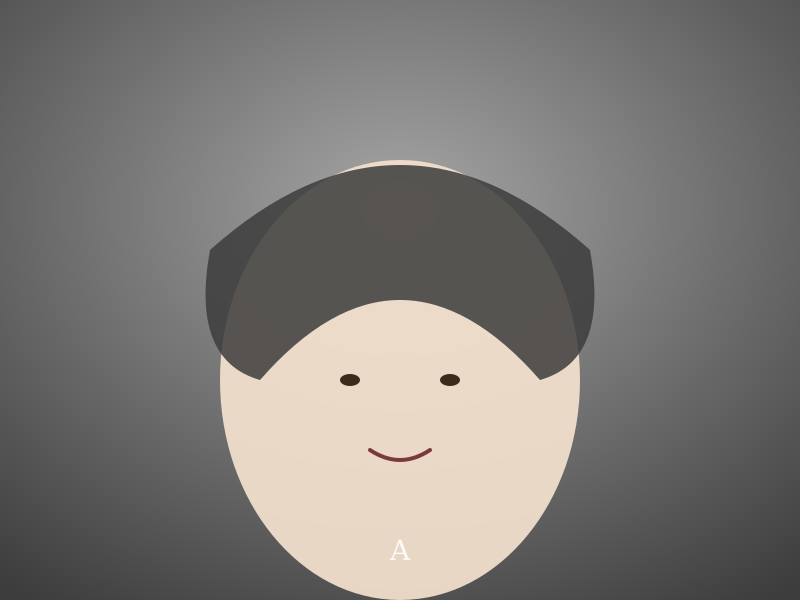
Wispy Salt-and-Pepper Asymmetrical
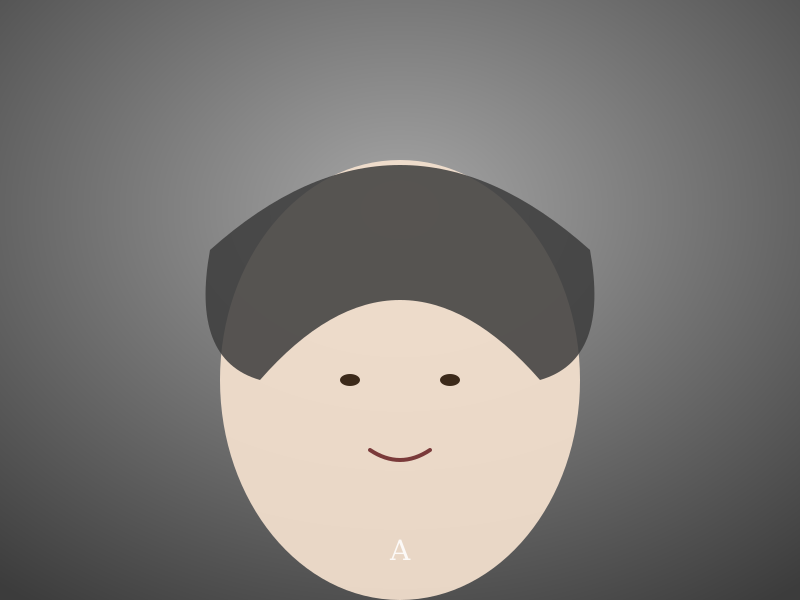
Sleek Salt-and-Pepper Asymmetrical
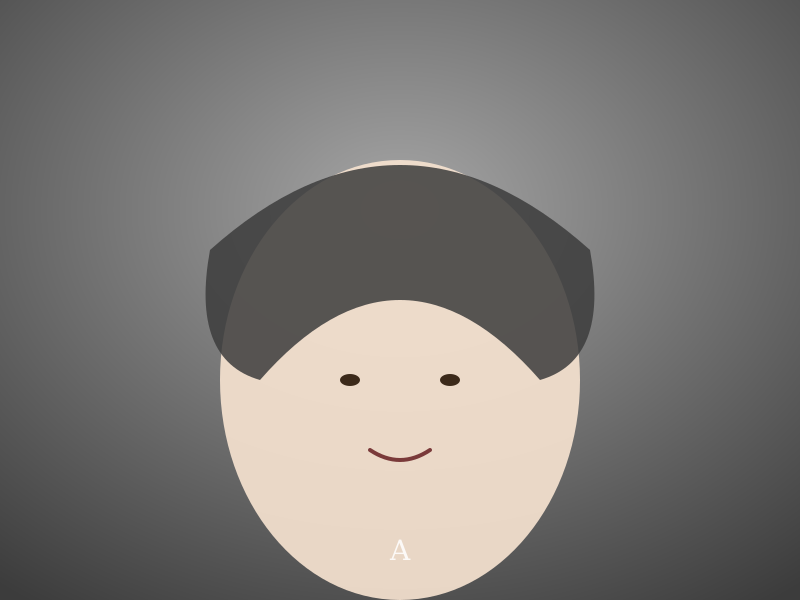
Layered Salt-and-Pepper Asymmetrical
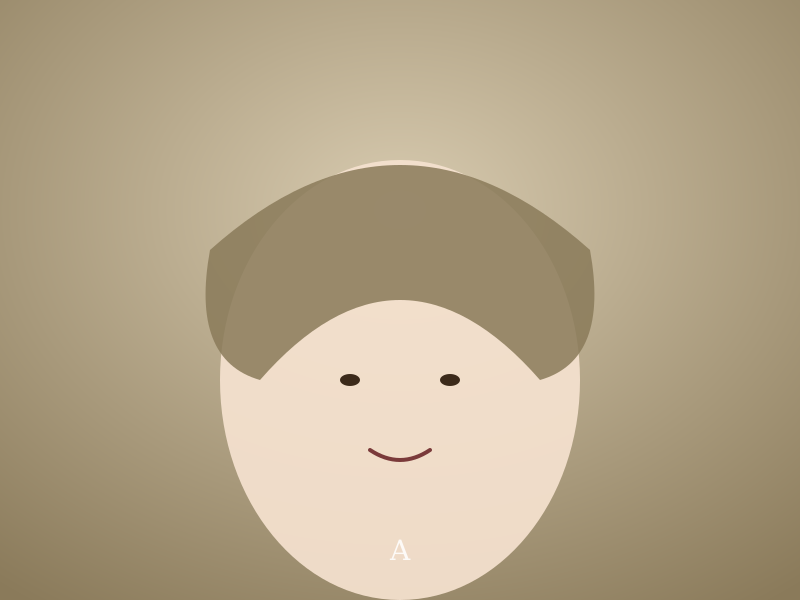
Tousled Ash Blonde Asymmetrical
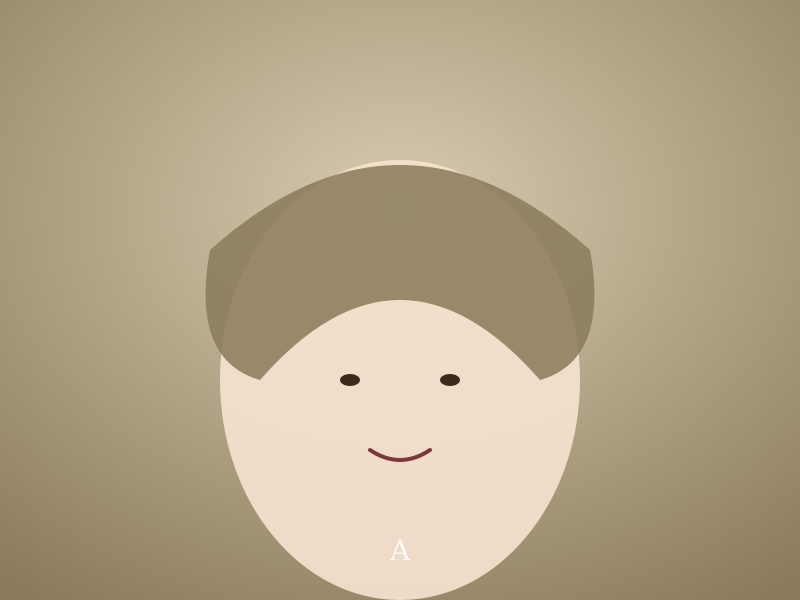
Wispy Ash Blonde Asymmetrical
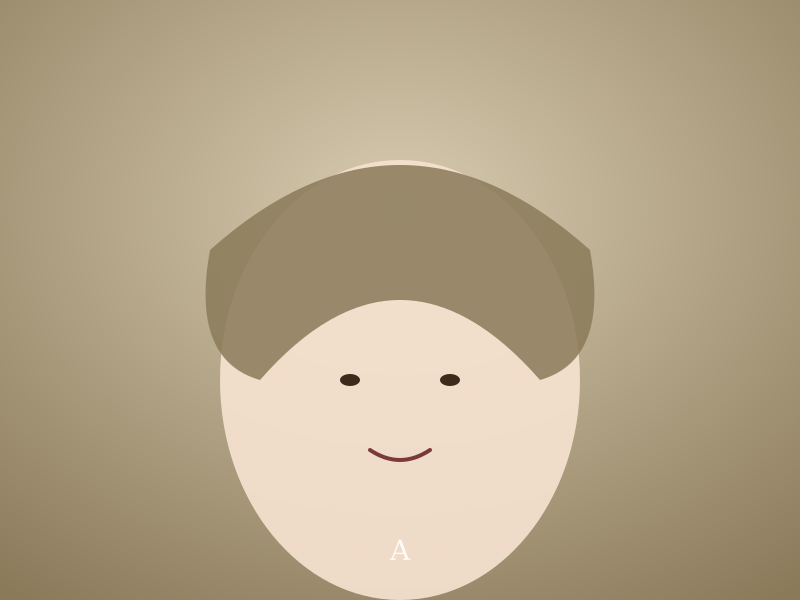
Sleek Ash Blonde Asymmetrical